How Do You Identify Art Deco
3. Authenticating Art Deco Antiques (Above photo - Period 1920s art deco desk) It is easy to identify by checking out details like animal prints, motifs, and inlaid materials. You could also check for the designer's sign and identification to place the piece in its time.
How to Spot Art Deco: A Simple Visual Guide Art Deco stands out once you know the signs. Look for clean symmetry, bold geometry, and materials that feel rich such as chrome, marble, or lacquered wood. Add in patterns like zigzags, chevrons, or sunbursts and you have Deco. You will see it in skyscrapers with stepped crowns, theaters with glowing chandeliers, and houses with bold entryways.
If you love the bold colors and geometric designs of the Art Deco style, utilize our helpful guide to learn how to spot authentic art deco pieces. Read on.
Not everything labeled Art Deco deserves the name. Learn about the origins and qualities of this unique decorative style of the 1920's and 1930's.
Need Help Understanding Art Deco : R/ArtDeco

The art deco design trend emerged in early 20th-century Paris and aspired to symbolise the post-war world. It was intended to make people feel upbeat, joyful, and hopeful. Its furniture is refined with unexpected, edgy elements. If you are still getting to grips with art deco furniture, telling an original product from a counterfeit can be challenging. For those that want to invest in art deco.
To identify Art Deco, look for the characteristics of the period. Furniture produced at the time is generally lacquered metal with a mirror-like glossy finish. Wooden items should be an exotic wood. Most items feature symmetrical designs, and geometric forms were popular motifs during the period. In addition, Art Deco often shows the influence of Hellenistic, Egyptian and Asian designs. Shop a.
Authentic Art Deco Quick Tip When you're navigating a market flooded with reproductions, knowing what to look for can help you identify authentic Art Deco antiques. Here are some features that are generally not found on reproductions: Original Patina: The natural aging of materials like metal and wood can be a strong indicator of authenticity.
Not everything labeled Art Deco deserves the name. Learn about the origins and qualities of this unique decorative style of the 1920's and 1930's.
Art Deco Principales Artistas At Eric Mullins Blog

2. Ornate Geometric Detailing Art Deco style is recognizable for its geometric ornamentation because the movement's artists were influenced by the geometry of Cubist paintings, repeating geometric shapes like squares, triangles, chevrons, and zig-zags in their art. Various motifs and ornamental details were applied to a building. Some common Art Deco motifs include chevrons, pyramids.
Art Deco, the elegant and revolutionary design movement that blossomed during the 1920s and 1930s, left an indelible mark on everything from architecture and jewelry to furniture and ceramics. Genuine Art Deco pieces are prized for their craftsmanship, historical significance, and bold geometric aesthetics.
To identify Art Deco, look for the characteristics of the period. Furniture produced at the time is generally lacquered metal with a mirror-like glossy finish. Wooden items should be an exotic wood. Most items feature symmetrical designs, and geometric forms were popular motifs during the period. In addition, Art Deco often shows the influence of Hellenistic, Egyptian and Asian designs. Shop a.
The art deco design trend emerged in early 20th-century Paris and aspired to symbolise the post-war world. It was intended to make people feel upbeat, joyful, and hopeful. Its furniture is refined with unexpected, edgy elements. If you are still getting to grips with art deco furniture, telling an original product from a counterfeit can be challenging. For those that want to invest in art deco.
10 Most Famous Art Deco Artists And Designers - Artst

Authentic Art Deco Quick Tip When you're navigating a market flooded with reproductions, knowing what to look for can help you identify authentic Art Deco antiques. Here are some features that are generally not found on reproductions: Original Patina: The natural aging of materials like metal and wood can be a strong indicator of authenticity.
To identify Art Deco, look for the characteristics of the period. Furniture produced at the time is generally lacquered metal with a mirror-like glossy finish. Wooden items should be an exotic wood. Most items feature symmetrical designs, and geometric forms were popular motifs during the period. In addition, Art Deco often shows the influence of Hellenistic, Egyptian and Asian designs. Shop a.
3. Authenticating Art Deco Antiques (Above photo - Period 1920s art deco desk) It is easy to identify by checking out details like animal prints, motifs, and inlaid materials. You could also check for the designer's sign and identification to place the piece in its time.
The art deco design trend emerged in early 20th-century Paris and aspired to symbolise the post-war world. It was intended to make people feel upbeat, joyful, and hopeful. Its furniture is refined with unexpected, edgy elements. If you are still getting to grips with art deco furniture, telling an original product from a counterfeit can be challenging. For those that want to invest in art deco.
How To Identify Art Deco Furniture
--crop-v2.jpg)
2. Ornate Geometric Detailing Art Deco style is recognizable for its geometric ornamentation because the movement's artists were influenced by the geometry of Cubist paintings, repeating geometric shapes like squares, triangles, chevrons, and zig-zags in their art. Various motifs and ornamental details were applied to a building. Some common Art Deco motifs include chevrons, pyramids.
If you love the bold colors and geometric designs of the Art Deco style, utilize our helpful guide to learn how to spot authentic art deco pieces. Read on.
How to Spot Art Deco: A Simple Visual Guide Art Deco stands out once you know the signs. Look for clean symmetry, bold geometry, and materials that feel rich such as chrome, marble, or lacquered wood. Add in patterns like zigzags, chevrons, or sunbursts and you have Deco. You will see it in skyscrapers with stepped crowns, theaters with glowing chandeliers, and houses with bold entryways.
Key Characteristics Of Art Deco Furniture Art Deco furniture stands out through its distinctive design elements, which include geometric shapes, high-end materials, bold color schemes, and sleek forms. Understanding these features helps you identify authentic pieces with ease.
What Is Art Deco Design At Anna Crace Blog

Authentic Art Deco Quick Tip When you're navigating a market flooded with reproductions, knowing what to look for can help you identify authentic Art Deco antiques. Here are some features that are generally not found on reproductions: Original Patina: The natural aging of materials like metal and wood can be a strong indicator of authenticity.
How to Spot Art Deco: A Simple Visual Guide Art Deco stands out once you know the signs. Look for clean symmetry, bold geometry, and materials that feel rich such as chrome, marble, or lacquered wood. Add in patterns like zigzags, chevrons, or sunbursts and you have Deco. You will see it in skyscrapers with stepped crowns, theaters with glowing chandeliers, and houses with bold entryways.
The art deco design trend emerged in early 20th-century Paris and aspired to symbolise the post-war world. It was intended to make people feel upbeat, joyful, and hopeful. Its furniture is refined with unexpected, edgy elements. If you are still getting to grips with art deco furniture, telling an original product from a counterfeit can be challenging. For those that want to invest in art deco.
2. Ornate Geometric Detailing Art Deco style is recognizable for its geometric ornamentation because the movement's artists were influenced by the geometry of Cubist paintings, repeating geometric shapes like squares, triangles, chevrons, and zig-zags in their art. Various motifs and ornamental details were applied to a building. Some common Art Deco motifs include chevrons, pyramids.
Art Deco Art: Iconic Pieces And Trends

To identify Art Deco, look for the characteristics of the period. Furniture produced at the time is generally lacquered metal with a mirror-like glossy finish. Wooden items should be an exotic wood. Most items feature symmetrical designs, and geometric forms were popular motifs during the period. In addition, Art Deco often shows the influence of Hellenistic, Egyptian and Asian designs. Shop a.
3. Authenticating Art Deco Antiques (Above photo - Period 1920s art deco desk) It is easy to identify by checking out details like animal prints, motifs, and inlaid materials. You could also check for the designer's sign and identification to place the piece in its time.
Art Deco, the elegant and revolutionary design movement that blossomed during the 1920s and 1930s, left an indelible mark on everything from architecture and jewelry to furniture and ceramics. Genuine Art Deco pieces are prized for their craftsmanship, historical significance, and bold geometric aesthetics.
2. Ornate Geometric Detailing Art Deco style is recognizable for its geometric ornamentation because the movement's artists were influenced by the geometry of Cubist paintings, repeating geometric shapes like squares, triangles, chevrons, and zig-zags in their art. Various motifs and ornamental details were applied to a building. Some common Art Deco motifs include chevrons, pyramids.
Art Deco Interiors Images At Travis Day Blog
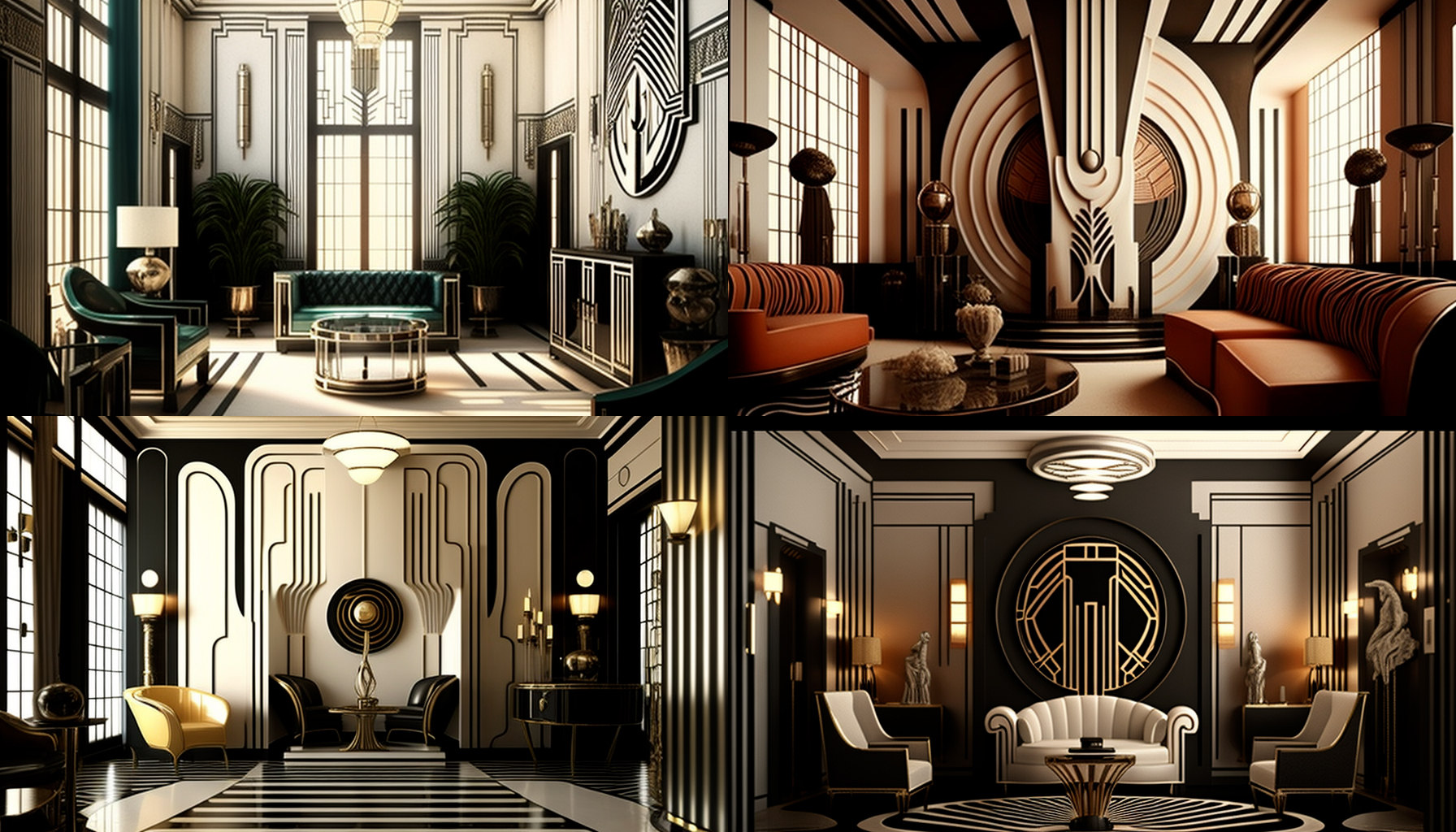
Key Characteristics Of Art Deco Furniture Art Deco furniture stands out through its distinctive design elements, which include geometric shapes, high-end materials, bold color schemes, and sleek forms. Understanding these features helps you identify authentic pieces with ease.
The art deco design trend emerged in early 20th-century Paris and aspired to symbolise the post-war world. It was intended to make people feel upbeat, joyful, and hopeful. Its furniture is refined with unexpected, edgy elements. If you are still getting to grips with art deco furniture, telling an original product from a counterfeit can be challenging. For those that want to invest in art deco.
Authentic Art Deco Quick Tip When you're navigating a market flooded with reproductions, knowing what to look for can help you identify authentic Art Deco antiques. Here are some features that are generally not found on reproductions: Original Patina: The natural aging of materials like metal and wood can be a strong indicator of authenticity.
3. Authenticating Art Deco Antiques (Above photo - Period 1920s art deco desk) It is easy to identify by checking out details like animal prints, motifs, and inlaid materials. You could also check for the designer's sign and identification to place the piece in its time.
A History Of Art Deco | Learn BeFunky
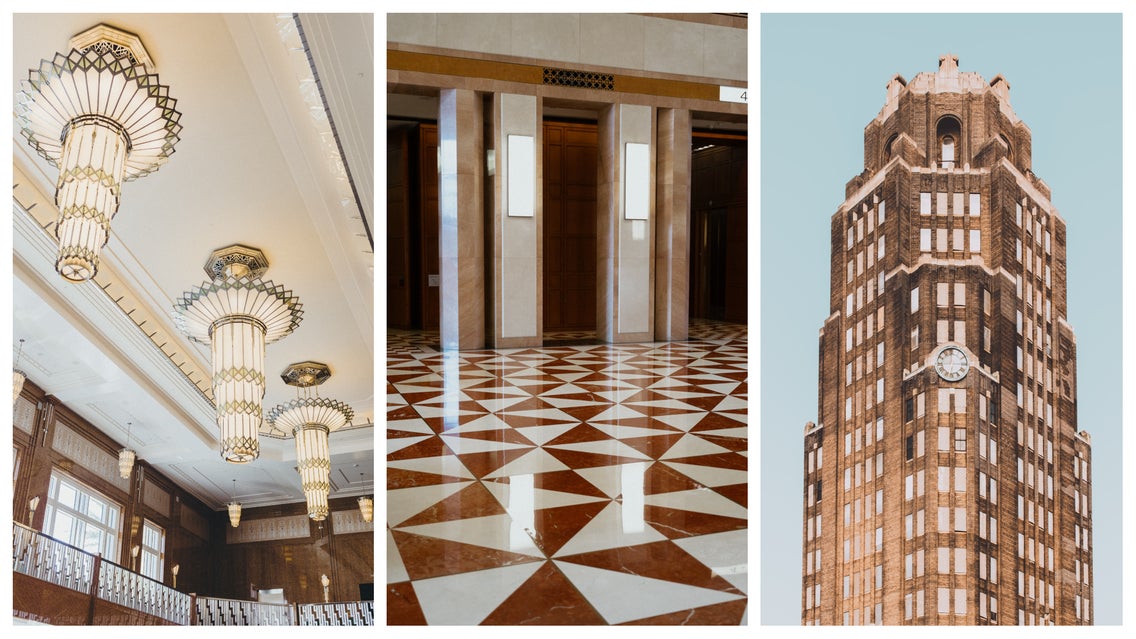
To identify Art Deco, look for the characteristics of the period. Furniture produced at the time is generally lacquered metal with a mirror-like glossy finish. Wooden items should be an exotic wood. Most items feature symmetrical designs, and geometric forms were popular motifs during the period. In addition, Art Deco often shows the influence of Hellenistic, Egyptian and Asian designs. Shop a.
Art Deco, the elegant and revolutionary design movement that blossomed during the 1920s and 1930s, left an indelible mark on everything from architecture and jewelry to furniture and ceramics. Genuine Art Deco pieces are prized for their craftsmanship, historical significance, and bold geometric aesthetics.
If you love the bold colors and geometric designs of the Art Deco style, utilize our helpful guide to learn how to spot authentic art deco pieces. Read on.
2. Ornate Geometric Detailing Art Deco style is recognizable for its geometric ornamentation because the movement's artists were influenced by the geometry of Cubist paintings, repeating geometric shapes like squares, triangles, chevrons, and zig-zags in their art. Various motifs and ornamental details were applied to a building. Some common Art Deco motifs include chevrons, pyramids.
Incorporating Art Deco Into Your Design
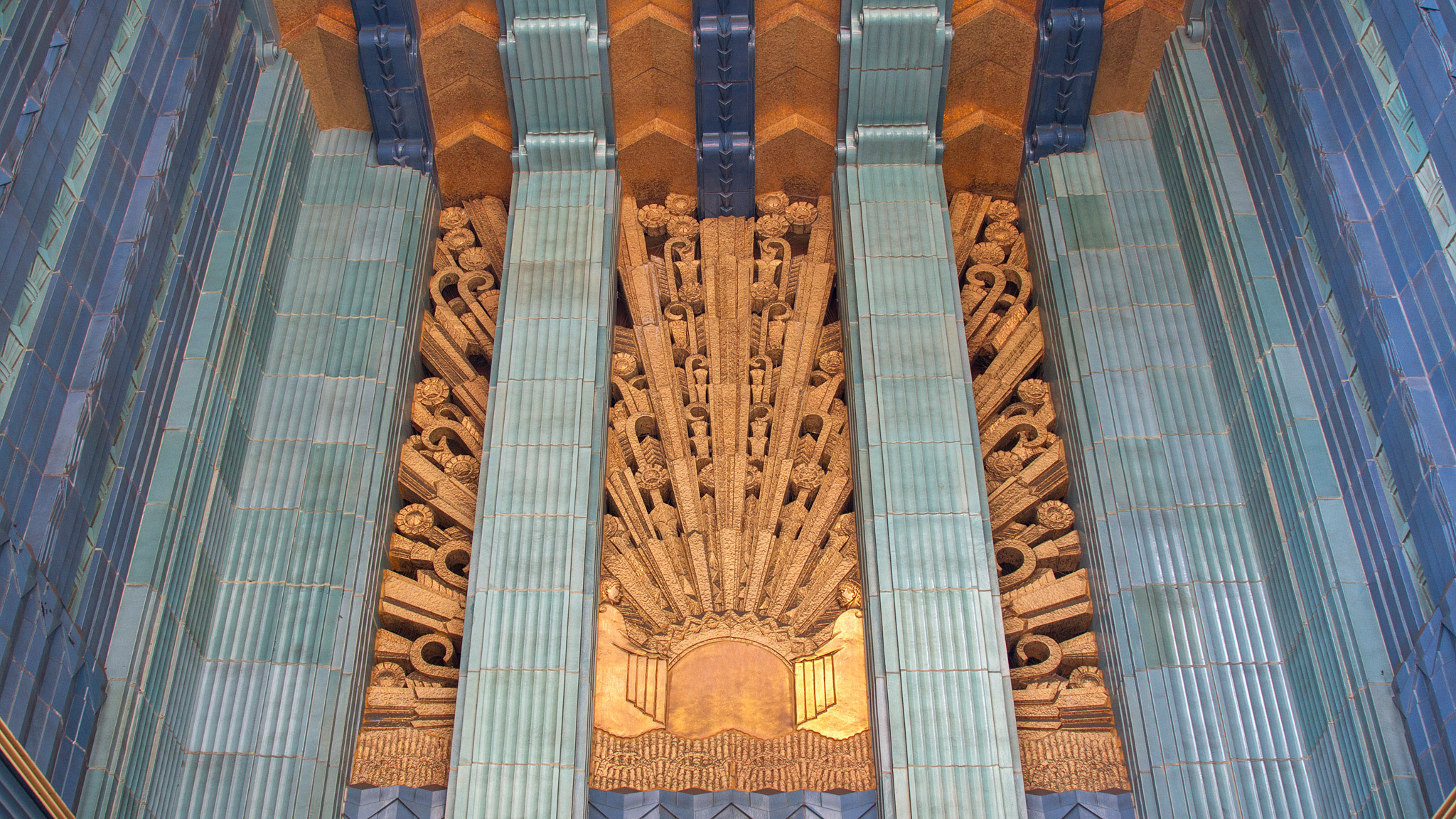
Not everything labeled Art Deco deserves the name. Learn about the origins and qualities of this unique decorative style of the 1920's and 1930's.
The art deco design trend emerged in early 20th-century Paris and aspired to symbolise the post-war world. It was intended to make people feel upbeat, joyful, and hopeful. Its furniture is refined with unexpected, edgy elements. If you are still getting to grips with art deco furniture, telling an original product from a counterfeit can be challenging. For those that want to invest in art deco.
To identify Art Deco, look for the characteristics of the period. Furniture produced at the time is generally lacquered metal with a mirror-like glossy finish. Wooden items should be an exotic wood. Most items feature symmetrical designs, and geometric forms were popular motifs during the period. In addition, Art Deco often shows the influence of Hellenistic, Egyptian and Asian designs. Shop a.
3. Authenticating Art Deco Antiques (Above photo - Period 1920s art deco desk) It is easy to identify by checking out details like animal prints, motifs, and inlaid materials. You could also check for the designer's sign and identification to place the piece in its time.
Art Deco Design: History And Inspiring Examples - Creative Market Blog

Key Characteristics Of Art Deco Furniture Art Deco furniture stands out through its distinctive design elements, which include geometric shapes, high-end materials, bold color schemes, and sleek forms. Understanding these features helps you identify authentic pieces with ease.
Art Deco, the elegant and revolutionary design movement that blossomed during the 1920s and 1930s, left an indelible mark on everything from architecture and jewelry to furniture and ceramics. Genuine Art Deco pieces are prized for their craftsmanship, historical significance, and bold geometric aesthetics.
If you love the bold colors and geometric designs of the Art Deco style, utilize our helpful guide to learn how to spot authentic art deco pieces. Read on.
The art deco design trend emerged in early 20th-century Paris and aspired to symbolise the post-war world. It was intended to make people feel upbeat, joyful, and hopeful. Its furniture is refined with unexpected, edgy elements. If you are still getting to grips with art deco furniture, telling an original product from a counterfeit can be challenging. For those that want to invest in art deco.
GCSE - Design Movements: Art Deco

To identify Art Deco, look for the characteristics of the period. Furniture produced at the time is generally lacquered metal with a mirror-like glossy finish. Wooden items should be an exotic wood. Most items feature symmetrical designs, and geometric forms were popular motifs during the period. In addition, Art Deco often shows the influence of Hellenistic, Egyptian and Asian designs. Shop a.
Key Characteristics Of Art Deco Furniture Art Deco furniture stands out through its distinctive design elements, which include geometric shapes, high-end materials, bold color schemes, and sleek forms. Understanding these features helps you identify authentic pieces with ease.
How to Spot Art Deco: A Simple Visual Guide Art Deco stands out once you know the signs. Look for clean symmetry, bold geometry, and materials that feel rich such as chrome, marble, or lacquered wood. Add in patterns like zigzags, chevrons, or sunbursts and you have Deco. You will see it in skyscrapers with stepped crowns, theaters with glowing chandeliers, and houses with bold entryways.
2. Ornate Geometric Detailing Art Deco style is recognizable for its geometric ornamentation because the movement's artists were influenced by the geometry of Cubist paintings, repeating geometric shapes like squares, triangles, chevrons, and zig-zags in their art. Various motifs and ornamental details were applied to a building. Some common Art Deco motifs include chevrons, pyramids.
An Introduction To Art Deco - Artsper Magazine
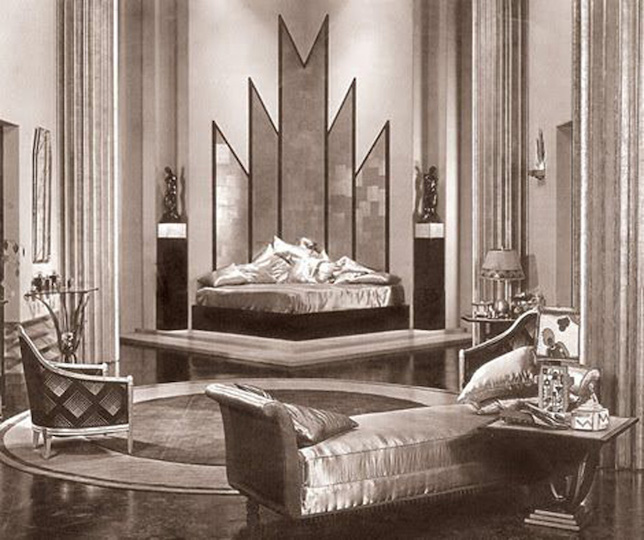
If you love the bold colors and geometric designs of the Art Deco style, utilize our helpful guide to learn how to spot authentic art deco pieces. Read on.
Art Deco, the elegant and revolutionary design movement that blossomed during the 1920s and 1930s, left an indelible mark on everything from architecture and jewelry to furniture and ceramics. Genuine Art Deco pieces are prized for their craftsmanship, historical significance, and bold geometric aesthetics.
To identify Art Deco, look for the characteristics of the period. Furniture produced at the time is generally lacquered metal with a mirror-like glossy finish. Wooden items should be an exotic wood. Most items feature symmetrical designs, and geometric forms were popular motifs during the period. In addition, Art Deco often shows the influence of Hellenistic, Egyptian and Asian designs. Shop a.
Not everything labeled Art Deco deserves the name. Learn about the origins and qualities of this unique decorative style of the 1920's and 1930's.
Art Deco Architecture - Types Of Art Deco Architecture

The art deco design trend emerged in early 20th-century Paris and aspired to symbolise the post-war world. It was intended to make people feel upbeat, joyful, and hopeful. Its furniture is refined with unexpected, edgy elements. If you are still getting to grips with art deco furniture, telling an original product from a counterfeit can be challenging. For those that want to invest in art deco.
To identify Art Deco, look for the characteristics of the period. Furniture produced at the time is generally lacquered metal with a mirror-like glossy finish. Wooden items should be an exotic wood. Most items feature symmetrical designs, and geometric forms were popular motifs during the period. In addition, Art Deco often shows the influence of Hellenistic, Egyptian and Asian designs. Shop a.
If you love the bold colors and geometric designs of the Art Deco style, utilize our helpful guide to learn how to spot authentic art deco pieces. Read on.
How to Spot Art Deco: A Simple Visual Guide Art Deco stands out once you know the signs. Look for clean symmetry, bold geometry, and materials that feel rich such as chrome, marble, or lacquered wood. Add in patterns like zigzags, chevrons, or sunbursts and you have Deco. You will see it in skyscrapers with stepped crowns, theaters with glowing chandeliers, and houses with bold entryways.
A History Of Art Deco | Learn BeFunky
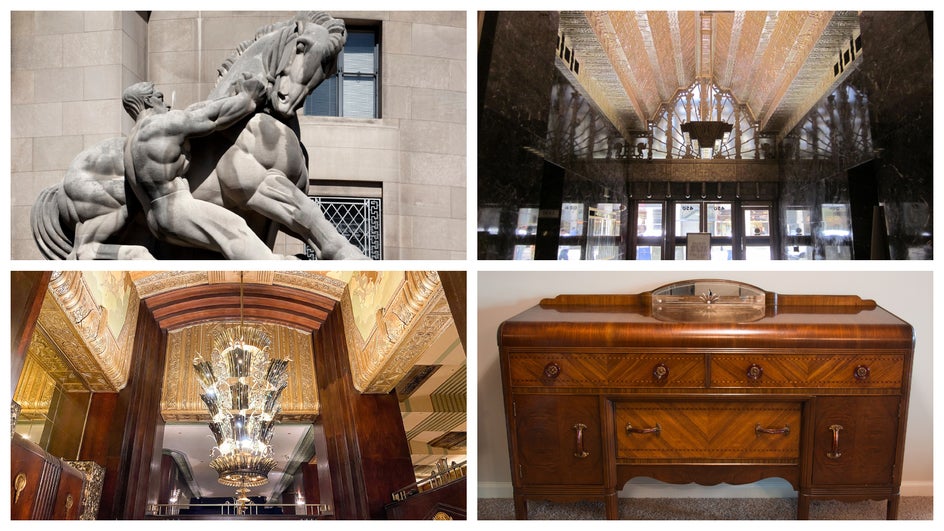
If you love the bold colors and geometric designs of the Art Deco style, utilize our helpful guide to learn how to spot authentic art deco pieces. Read on.
Not everything labeled Art Deco deserves the name. Learn about the origins and qualities of this unique decorative style of the 1920's and 1930's.
To identify Art Deco, look for the characteristics of the period. Furniture produced at the time is generally lacquered metal with a mirror-like glossy finish. Wooden items should be an exotic wood. Most items feature symmetrical designs, and geometric forms were popular motifs during the period. In addition, Art Deco often shows the influence of Hellenistic, Egyptian and Asian designs. Shop a.
2. Ornate Geometric Detailing Art Deco style is recognizable for its geometric ornamentation because the movement's artists were influenced by the geometry of Cubist paintings, repeating geometric shapes like squares, triangles, chevrons, and zig-zags in their art. Various motifs and ornamental details were applied to a building. Some common Art Deco motifs include chevrons, pyramids.
Exploring The Art Deco Interior Design Style | Fineline Design
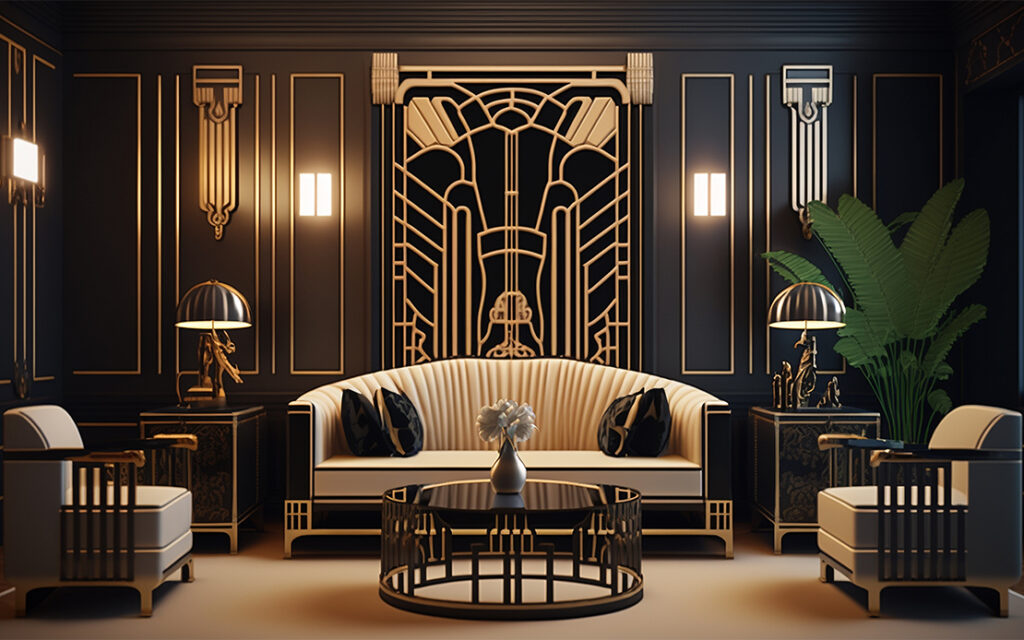
3. Authenticating Art Deco Antiques (Above photo - Period 1920s art deco desk) It is easy to identify by checking out details like animal prints, motifs, and inlaid materials. You could also check for the designer's sign and identification to place the piece in its time.
Art Deco, the elegant and revolutionary design movement that blossomed during the 1920s and 1930s, left an indelible mark on everything from architecture and jewelry to furniture and ceramics. Genuine Art Deco pieces are prized for their craftsmanship, historical significance, and bold geometric aesthetics.
Authentic Art Deco Quick Tip When you're navigating a market flooded with reproductions, knowing what to look for can help you identify authentic Art Deco antiques. Here are some features that are generally not found on reproductions: Original Patina: The natural aging of materials like metal and wood can be a strong indicator of authenticity.
Key Characteristics Of Art Deco Furniture Art Deco furniture stands out through its distinctive design elements, which include geometric shapes, high-end materials, bold color schemes, and sleek forms. Understanding these features helps you identify authentic pieces with ease.
If you love the bold colors and geometric designs of the Art Deco style, utilize our helpful guide to learn how to spot authentic art deco pieces. Read on.
To identify Art Deco, look for the characteristics of the period. Furniture produced at the time is generally lacquered metal with a mirror-like glossy finish. Wooden items should be an exotic wood. Most items feature symmetrical designs, and geometric forms were popular motifs during the period. In addition, Art Deco often shows the influence of Hellenistic, Egyptian and Asian designs. Shop a.
3. Authenticating Art Deco Antiques (Above photo - Period 1920s art deco desk) It is easy to identify by checking out details like animal prints, motifs, and inlaid materials. You could also check for the designer's sign and identification to place the piece in its time.
The art deco design trend emerged in early 20th-century Paris and aspired to symbolise the post-war world. It was intended to make people feel upbeat, joyful, and hopeful. Its furniture is refined with unexpected, edgy elements. If you are still getting to grips with art deco furniture, telling an original product from a counterfeit can be challenging. For those that want to invest in art deco.
How to Spot Art Deco: A Simple Visual Guide Art Deco stands out once you know the signs. Look for clean symmetry, bold geometry, and materials that feel rich such as chrome, marble, or lacquered wood. Add in patterns like zigzags, chevrons, or sunbursts and you have Deco. You will see it in skyscrapers with stepped crowns, theaters with glowing chandeliers, and houses with bold entryways.
Art Deco, the elegant and revolutionary design movement that blossomed during the 1920s and 1930s, left an indelible mark on everything from architecture and jewelry to furniture and ceramics. Genuine Art Deco pieces are prized for their craftsmanship, historical significance, and bold geometric aesthetics.
Not everything labeled Art Deco deserves the name. Learn about the origins and qualities of this unique decorative style of the 1920's and 1930's.
Authentic Art Deco Quick Tip When you're navigating a market flooded with reproductions, knowing what to look for can help you identify authentic Art Deco antiques. Here are some features that are generally not found on reproductions: Original Patina: The natural aging of materials like metal and wood can be a strong indicator of authenticity.
2. Ornate Geometric Detailing Art Deco style is recognizable for its geometric ornamentation because the movement's artists were influenced by the geometry of Cubist paintings, repeating geometric shapes like squares, triangles, chevrons, and zig-zags in their art. Various motifs and ornamental details were applied to a building. Some common Art Deco motifs include chevrons, pyramids.
Key Characteristics Of Art Deco Furniture Art Deco furniture stands out through its distinctive design elements, which include geometric shapes, high-end materials, bold color schemes, and sleek forms. Understanding these features helps you identify authentic pieces with ease.