Deer Eye Color Spectrum
Understanding deer perception is valuable for observers, from enthusiasts to hunters. Humans perceive a broad spectrum of colors, but deer experience the world through a different visual lens, influencing their behavior and environmental interactions. Their specialized vision helps them thrive, especially at dawn and dusk. The Science of Deer Vision A deer's eye is adapted for survival, with.
We know that deer can see a limited range of colors, and research shows they can actually see some colors better than humans can.
Colors are seen in wavelengths, and reds and oranges sport long wavelengths that a deer's eye doesn't pick up on. But the shorter wavelength colors, like blue or green, are easy for deer to spot.
Understanding deer vision is crucial for outdoor enthusiasts. This post explores the basics of deer color perception, day vs night vision, greens and browns, blues and purples, and how lighting conditions affect their sight. Discover what colors deer can see in different environments to enhance your hunting or observation skills. Deer Vision Basics Color Perception Range Ever wondered how.
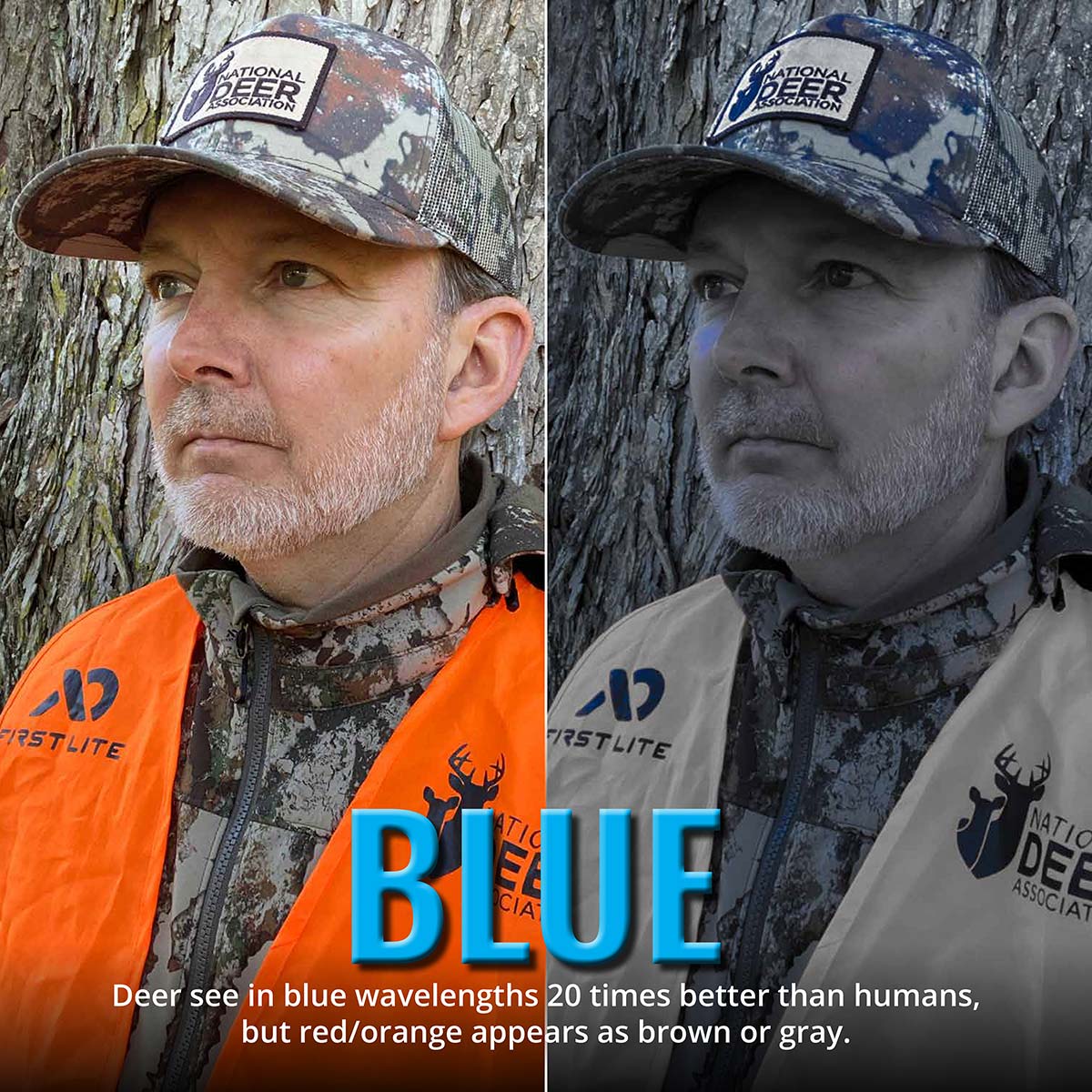
Colors are seen in wavelengths, and reds and oranges sport long wavelengths that a deer's eye doesn't pick up on. But the shorter wavelength colors, like blue or green, are easy for deer to spot.
Human eyes contain three types of color receptor cells called cones, which enable us to perceive a wide range of colors across the spectrum. These cones are sensitive to red, green, and blue light, allowing us to distinguish myriad hues.
We know that deer can see a limited range of colors, and research shows they can actually see some colors better than humans can.
Deer and Blue Spectrum Light Movement and Deer Vision How to Hide from a Deer Deer and UV Light How Deer Vision Impacts these Animals What is a Deer Vision Simulator? Deer Eyes are Unique You May Also Enjoy: Are Deer Color Blind? (what colors can they see?) How Do Deer Give Birth? Do Reindeer Have Red Noses? Why Do Deer Shed Their Antlers?
Eyes Of The Forest: What Colors Can Deer See And How Is Their Vision? | Color Meanings

We know that deer can see a limited range of colors, and research shows they can actually see some colors better than humans can.
Human eyes contain three types of color receptor cells called cones, which enable us to perceive a wide range of colors across the spectrum. These cones are sensitive to red, green, and blue light, allowing us to distinguish myriad hues.
Deer and Blue Spectrum Light Movement and Deer Vision How to Hide from a Deer Deer and UV Light How Deer Vision Impacts these Animals What is a Deer Vision Simulator? Deer Eyes are Unique You May Also Enjoy: Are Deer Color Blind? (what colors can they see?) How Do Deer Give Birth? Do Reindeer Have Red Noses? Why Do Deer Shed Their Antlers?
The dichromatic color spectrum that deer see. Photo Credit: Kokomo Tribune Quick Facts: Deer have two types of cone cells (humans have three) They see blues and greens exceptionally well Cannot distinguish red or orange colors Their night vision is 20x better than humans They have nearly 300-degree field of view Deer Eye Structure: Built Different The deer's eye is specifically adapted for.
Deer Vision? - HuntingNet.com Forums
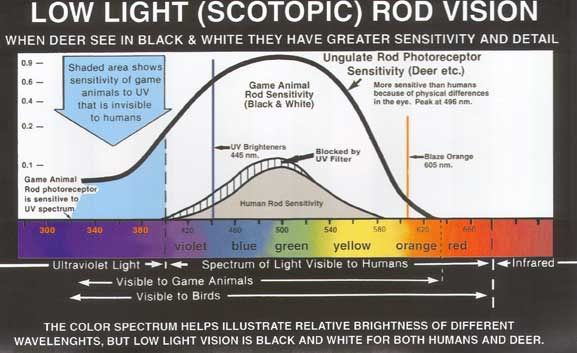
Colors are seen in wavelengths, and reds and oranges sport long wavelengths that a deer's eye doesn't pick up on. But the shorter wavelength colors, like blue or green, are easy for deer to spot.
Understanding deer perception is valuable for observers, from enthusiasts to hunters. Humans perceive a broad spectrum of colors, but deer experience the world through a different visual lens, influencing their behavior and environmental interactions. Their specialized vision helps them thrive, especially at dawn and dusk. The Science of Deer Vision A deer's eye is adapted for survival, with.
Deer and Blue Spectrum Light Movement and Deer Vision How to Hide from a Deer Deer and UV Light How Deer Vision Impacts these Animals What is a Deer Vision Simulator? Deer Eyes are Unique You May Also Enjoy: Are Deer Color Blind? (what colors can they see?) How Do Deer Give Birth? Do Reindeer Have Red Noses? Why Do Deer Shed Their Antlers?
Human eyes contain three types of color receptor cells called cones, which enable us to perceive a wide range of colors across the spectrum. These cones are sensitive to red, green, and blue light, allowing us to distinguish myriad hues.
What Colors Can Deer See? | Outdoor Life
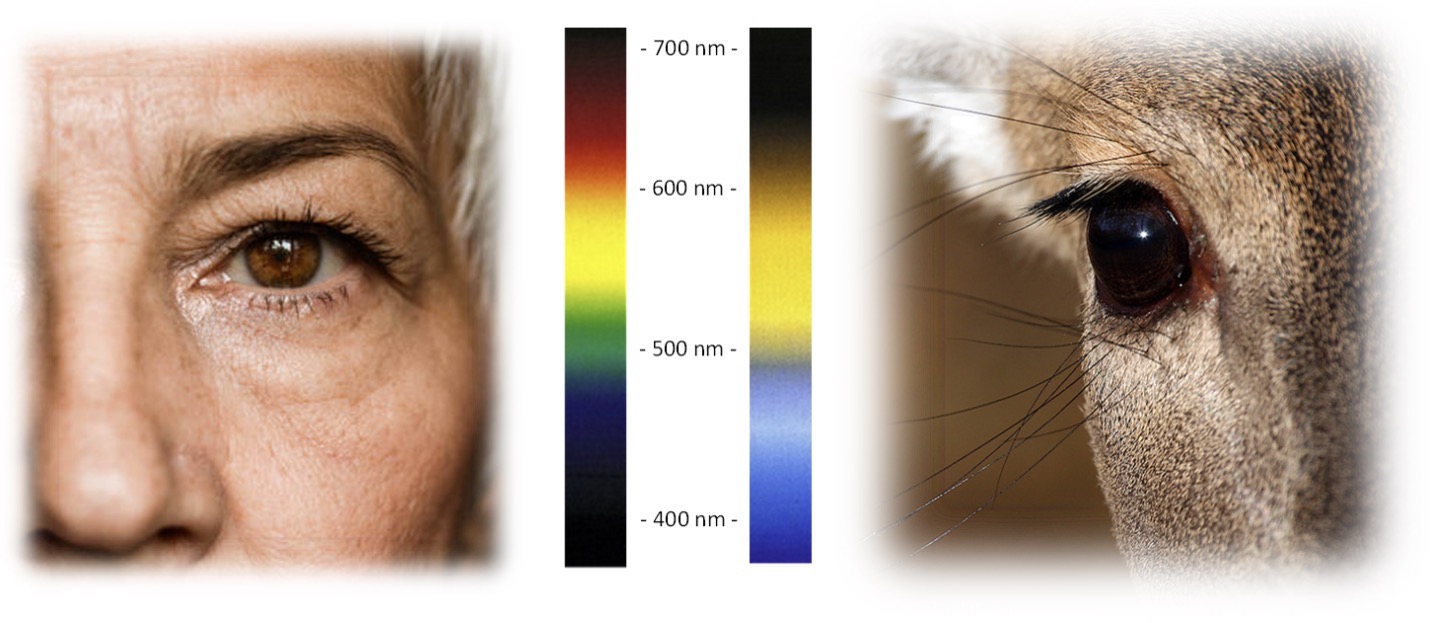
Human eyes contain three types of color receptor cells called cones, which enable us to perceive a wide range of colors across the spectrum. These cones are sensitive to red, green, and blue light, allowing us to distinguish myriad hues.
Colors are seen in wavelengths, and reds and oranges sport long wavelengths that a deer's eye doesn't pick up on. But the shorter wavelength colors, like blue or green, are easy for deer to spot.
We know that deer can see a limited range of colors, and research shows they can actually see some colors better than humans can.
Deer also exhibit dichromatic vision, meaning they primarily perceive colors in the blue and yellow spectrum. They struggle to differentiate between reds and oranges, often seeing these colors as shades of gray or yellow.
MARTINO: Researchers Offer Insight On Whitetail Deer's Vision | Sports | Kokomotribune.com
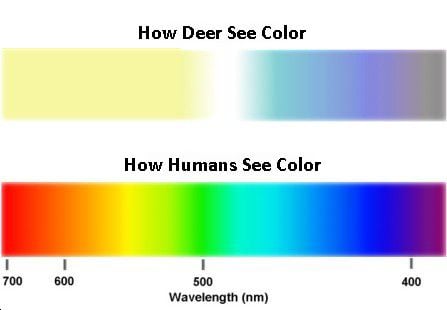
Deer also exhibit dichromatic vision, meaning they primarily perceive colors in the blue and yellow spectrum. They struggle to differentiate between reds and oranges, often seeing these colors as shades of gray or yellow.
Understanding deer perception is valuable for observers, from enthusiasts to hunters. Humans perceive a broad spectrum of colors, but deer experience the world through a different visual lens, influencing their behavior and environmental interactions. Their specialized vision helps them thrive, especially at dawn and dusk. The Science of Deer Vision A deer's eye is adapted for survival, with.
Colors are seen in wavelengths, and reds and oranges sport long wavelengths that a deer's eye doesn't pick up on. But the shorter wavelength colors, like blue or green, are easy for deer to spot.
The world is quite a different place through the eyes of a doe or buck. In fact, the green fronds of the forest, blue trickles of streams and fleshy hues of fruit appear very different in the eyes of a deer compared to what humans see. Let's break down the secrets behind deer vision and what colors they see.
Deer Vision 101: How Deer See Color, Light, And Movement

Colors are seen in wavelengths, and reds and oranges sport long wavelengths that a deer's eye doesn't pick up on. But the shorter wavelength colors, like blue or green, are easy for deer to spot.
The world is quite a different place through the eyes of a doe or buck. In fact, the green fronds of the forest, blue trickles of streams and fleshy hues of fruit appear very different in the eyes of a deer compared to what humans see. Let's break down the secrets behind deer vision and what colors they see.
Human eyes contain three types of color receptor cells called cones, which enable us to perceive a wide range of colors across the spectrum. These cones are sensitive to red, green, and blue light, allowing us to distinguish myriad hues.
UV-bright colors, which may not appear bright to human eyes but are visible to deer, can stand out prominently in a deer's visual field. These colors can signal danger or alert deer to the presence of a potential threat, leading them to become more cautious or flee the area.
Deer Vision 101: How Deer See Color, Light, And Movement
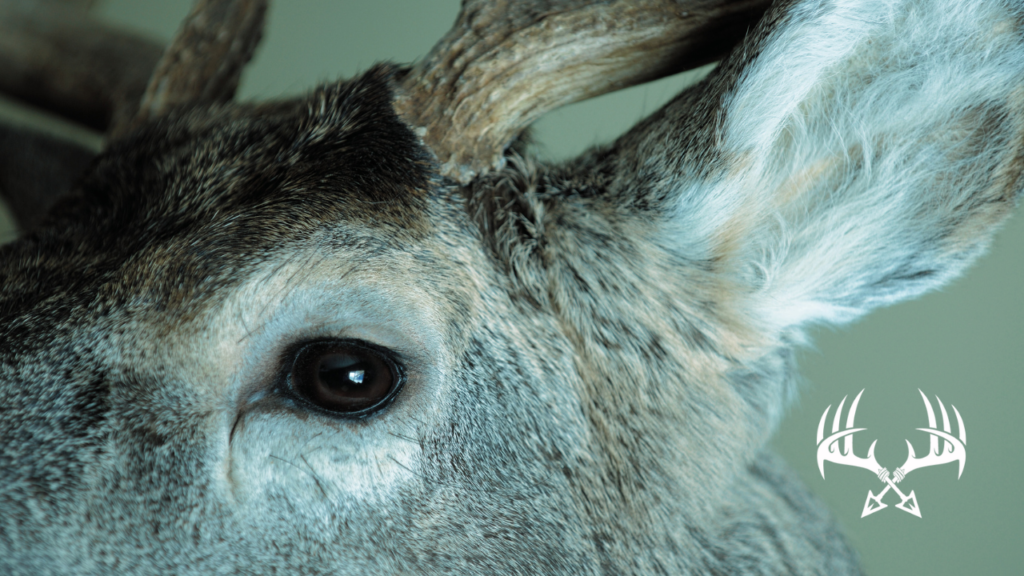
The dichromatic color spectrum that deer see. Photo Credit: Kokomo Tribune Quick Facts: Deer have two types of cone cells (humans have three) They see blues and greens exceptionally well Cannot distinguish red or orange colors Their night vision is 20x better than humans They have nearly 300-degree field of view Deer Eye Structure: Built Different The deer's eye is specifically adapted for.
We know that deer can see a limited range of colors, and research shows they can actually see some colors better than humans can.
Deer also exhibit dichromatic vision, meaning they primarily perceive colors in the blue and yellow spectrum. They struggle to differentiate between reds and oranges, often seeing these colors as shades of gray or yellow.
The world is quite a different place through the eyes of a doe or buck. In fact, the green fronds of the forest, blue trickles of streams and fleshy hues of fruit appear very different in the eyes of a deer compared to what humans see. Let's break down the secrets behind deer vision and what colors they see.
Deer Can See You Even When They’re Eating | National Deer Association
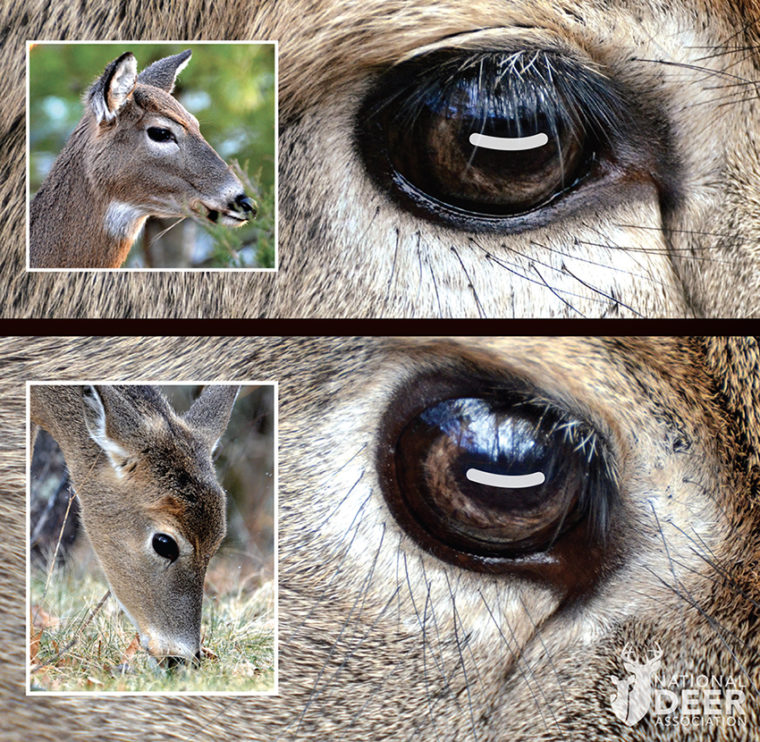
The dichromatic color spectrum that deer see. Photo Credit: Kokomo Tribune Quick Facts: Deer have two types of cone cells (humans have three) They see blues and greens exceptionally well Cannot distinguish red or orange colors Their night vision is 20x better than humans They have nearly 300-degree field of view Deer Eye Structure: Built Different The deer's eye is specifically adapted for.
Understanding deer perception is valuable for observers, from enthusiasts to hunters. Humans perceive a broad spectrum of colors, but deer experience the world through a different visual lens, influencing their behavior and environmental interactions. Their specialized vision helps them thrive, especially at dawn and dusk. The Science of Deer Vision A deer's eye is adapted for survival, with.
Human eyes contain three types of color receptor cells called cones, which enable us to perceive a wide range of colors across the spectrum. These cones are sensitive to red, green, and blue light, allowing us to distinguish myriad hues.
Understanding deer vision is crucial for outdoor enthusiasts. This post explores the basics of deer color perception, day vs night vision, greens and browns, blues and purples, and how lighting conditions affect their sight. Discover what colors deer can see in different environments to enhance your hunting or observation skills. Deer Vision Basics Color Perception Range Ever wondered how.
Can Deer See Color Or Are They Colorblind? Deer Vision Explained 2023 - HowitSee

The dichromatic color spectrum that deer see. Photo Credit: Kokomo Tribune Quick Facts: Deer have two types of cone cells (humans have three) They see blues and greens exceptionally well Cannot distinguish red or orange colors Their night vision is 20x better than humans They have nearly 300-degree field of view Deer Eye Structure: Built Different The deer's eye is specifically adapted for.
Human eyes contain three types of color receptor cells called cones, which enable us to perceive a wide range of colors across the spectrum. These cones are sensitive to red, green, and blue light, allowing us to distinguish myriad hues.
Deer and Blue Spectrum Light Movement and Deer Vision How to Hide from a Deer Deer and UV Light How Deer Vision Impacts these Animals What is a Deer Vision Simulator? Deer Eyes are Unique You May Also Enjoy: Are Deer Color Blind? (what colors can they see?) How Do Deer Give Birth? Do Reindeer Have Red Noses? Why Do Deer Shed Their Antlers?
Understanding deer perception is valuable for observers, from enthusiasts to hunters. Humans perceive a broad spectrum of colors, but deer experience the world through a different visual lens, influencing their behavior and environmental interactions. Their specialized vision helps them thrive, especially at dawn and dusk. The Science of Deer Vision A deer's eye is adapted for survival, with.

Understanding deer vision is crucial for outdoor enthusiasts. This post explores the basics of deer color perception, day vs night vision, greens and browns, blues and purples, and how lighting conditions affect their sight. Discover what colors deer can see in different environments to enhance your hunting or observation skills. Deer Vision Basics Color Perception Range Ever wondered how.
Colors are seen in wavelengths, and reds and oranges sport long wavelengths that a deer's eye doesn't pick up on. But the shorter wavelength colors, like blue or green, are easy for deer to spot.
We know that deer can see a limited range of colors, and research shows they can actually see some colors better than humans can.
Understanding deer perception is valuable for observers, from enthusiasts to hunters. Humans perceive a broad spectrum of colors, but deer experience the world through a different visual lens, influencing their behavior and environmental interactions. Their specialized vision helps them thrive, especially at dawn and dusk. The Science of Deer Vision A deer's eye is adapted for survival, with.

We know that deer can see a limited range of colors, and research shows they can actually see some colors better than humans can.
UV-bright colors, which may not appear bright to human eyes but are visible to deer, can stand out prominently in a deer's visual field. These colors can signal danger or alert deer to the presence of a potential threat, leading them to become more cautious or flee the area.
Understanding deer perception is valuable for observers, from enthusiasts to hunters. Humans perceive a broad spectrum of colors, but deer experience the world through a different visual lens, influencing their behavior and environmental interactions. Their specialized vision helps them thrive, especially at dawn and dusk. The Science of Deer Vision A deer's eye is adapted for survival, with.
The dichromatic color spectrum that deer see. Photo Credit: Kokomo Tribune Quick Facts: Deer have two types of cone cells (humans have three) They see blues and greens exceptionally well Cannot distinguish red or orange colors Their night vision is 20x better than humans They have nearly 300-degree field of view Deer Eye Structure: Built Different The deer's eye is specifically adapted for.
What Deer See - Whitetail Vs. Hunter ~ OUTDOOR EXPERIMENT

Deer also exhibit dichromatic vision, meaning they primarily perceive colors in the blue and yellow spectrum. They struggle to differentiate between reds and oranges, often seeing these colors as shades of gray or yellow.
UV-bright colors, which may not appear bright to human eyes but are visible to deer, can stand out prominently in a deer's visual field. These colors can signal danger or alert deer to the presence of a potential threat, leading them to become more cautious or flee the area.
Understanding deer vision is crucial for outdoor enthusiasts. This post explores the basics of deer color perception, day vs night vision, greens and browns, blues and purples, and how lighting conditions affect their sight. Discover what colors deer can see in different environments to enhance your hunting or observation skills. Deer Vision Basics Color Perception Range Ever wondered how.
The dichromatic color spectrum that deer see. Photo Credit: Kokomo Tribune Quick Facts: Deer have two types of cone cells (humans have three) They see blues and greens exceptionally well Cannot distinguish red or orange colors Their night vision is 20x better than humans They have nearly 300-degree field of view Deer Eye Structure: Built Different The deer's eye is specifically adapted for.
Discovering Deer's Color Vision: What Colors Can They See?

The world is quite a different place through the eyes of a doe or buck. In fact, the green fronds of the forest, blue trickles of streams and fleshy hues of fruit appear very different in the eyes of a deer compared to what humans see. Let's break down the secrets behind deer vision and what colors they see.
Human eyes contain three types of color receptor cells called cones, which enable us to perceive a wide range of colors across the spectrum. These cones are sensitive to red, green, and blue light, allowing us to distinguish myriad hues.
Deer and Blue Spectrum Light Movement and Deer Vision How to Hide from a Deer Deer and UV Light How Deer Vision Impacts these Animals What is a Deer Vision Simulator? Deer Eyes are Unique You May Also Enjoy: Are Deer Color Blind? (what colors can they see?) How Do Deer Give Birth? Do Reindeer Have Red Noses? Why Do Deer Shed Their Antlers?
The dichromatic color spectrum that deer see. Photo Credit: Kokomo Tribune Quick Facts: Deer have two types of cone cells (humans have three) They see blues and greens exceptionally well Cannot distinguish red or orange colors Their night vision is 20x better than humans They have nearly 300-degree field of view Deer Eye Structure: Built Different The deer's eye is specifically adapted for.
A Deer's Vision: It's Not About Color | Grand View Outdoors
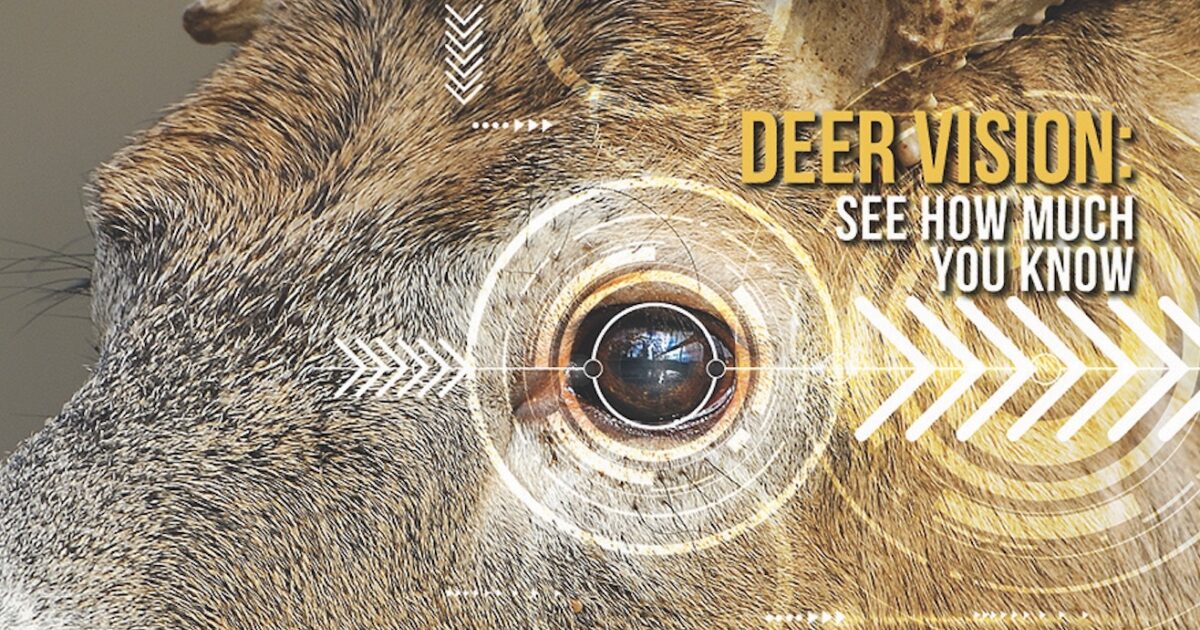
Deer also exhibit dichromatic vision, meaning they primarily perceive colors in the blue and yellow spectrum. They struggle to differentiate between reds and oranges, often seeing these colors as shades of gray or yellow.
Human eyes contain three types of color receptor cells called cones, which enable us to perceive a wide range of colors across the spectrum. These cones are sensitive to red, green, and blue light, allowing us to distinguish myriad hues.
Colors are seen in wavelengths, and reds and oranges sport long wavelengths that a deer's eye doesn't pick up on. But the shorter wavelength colors, like blue or green, are easy for deer to spot.
The world is quite a different place through the eyes of a doe or buck. In fact, the green fronds of the forest, blue trickles of streams and fleshy hues of fruit appear very different in the eyes of a deer compared to what humans see. Let's break down the secrets behind deer vision and what colors they see.

We know that deer can see a limited range of colors, and research shows they can actually see some colors better than humans can.
The dichromatic color spectrum that deer see. Photo Credit: Kokomo Tribune Quick Facts: Deer have two types of cone cells (humans have three) They see blues and greens exceptionally well Cannot distinguish red or orange colors Their night vision is 20x better than humans They have nearly 300-degree field of view Deer Eye Structure: Built Different The deer's eye is specifically adapted for.
Understanding deer perception is valuable for observers, from enthusiasts to hunters. Humans perceive a broad spectrum of colors, but deer experience the world through a different visual lens, influencing their behavior and environmental interactions. Their specialized vision helps them thrive, especially at dawn and dusk. The Science of Deer Vision A deer's eye is adapted for survival, with.
Colors are seen in wavelengths, and reds and oranges sport long wavelengths that a deer's eye doesn't pick up on. But the shorter wavelength colors, like blue or green, are easy for deer to spot.
The dichromatic color spectrum that deer see. Photo Credit: Kokomo Tribune Quick Facts: Deer have two types of cone cells (humans have three) They see blues and greens exceptionally well Cannot distinguish red or orange colors Their night vision is 20x better than humans They have nearly 300-degree field of view Deer Eye Structure: Built Different The deer's eye is specifically adapted for.
Colors are seen in wavelengths, and reds and oranges sport long wavelengths that a deer's eye doesn't pick up on. But the shorter wavelength colors, like blue or green, are easy for deer to spot.
We know that deer can see a limited range of colors, and research shows they can actually see some colors better than humans can.
Deer also exhibit dichromatic vision, meaning they primarily perceive colors in the blue and yellow spectrum. They struggle to differentiate between reds and oranges, often seeing these colors as shades of gray or yellow.
Understanding deer perception is valuable for observers, from enthusiasts to hunters. Humans perceive a broad spectrum of colors, but deer experience the world through a different visual lens, influencing their behavior and environmental interactions. Their specialized vision helps them thrive, especially at dawn and dusk. The Science of Deer Vision A deer's eye is adapted for survival, with.
Human eyes contain three types of color receptor cells called cones, which enable us to perceive a wide range of colors across the spectrum. These cones are sensitive to red, green, and blue light, allowing us to distinguish myriad hues.
Understanding deer vision is crucial for outdoor enthusiasts. This post explores the basics of deer color perception, day vs night vision, greens and browns, blues and purples, and how lighting conditions affect their sight. Discover what colors deer can see in different environments to enhance your hunting or observation skills. Deer Vision Basics Color Perception Range Ever wondered how.
The world is quite a different place through the eyes of a doe or buck. In fact, the green fronds of the forest, blue trickles of streams and fleshy hues of fruit appear very different in the eyes of a deer compared to what humans see. Let's break down the secrets behind deer vision and what colors they see.
UV-bright colors, which may not appear bright to human eyes but are visible to deer, can stand out prominently in a deer's visual field. These colors can signal danger or alert deer to the presence of a potential threat, leading them to become more cautious or flee the area.
Deer and Blue Spectrum Light Movement and Deer Vision How to Hide from a Deer Deer and UV Light How Deer Vision Impacts these Animals What is a Deer Vision Simulator? Deer Eyes are Unique You May Also Enjoy: Are Deer Color Blind? (what colors can they see?) How Do Deer Give Birth? Do Reindeer Have Red Noses? Why Do Deer Shed Their Antlers?